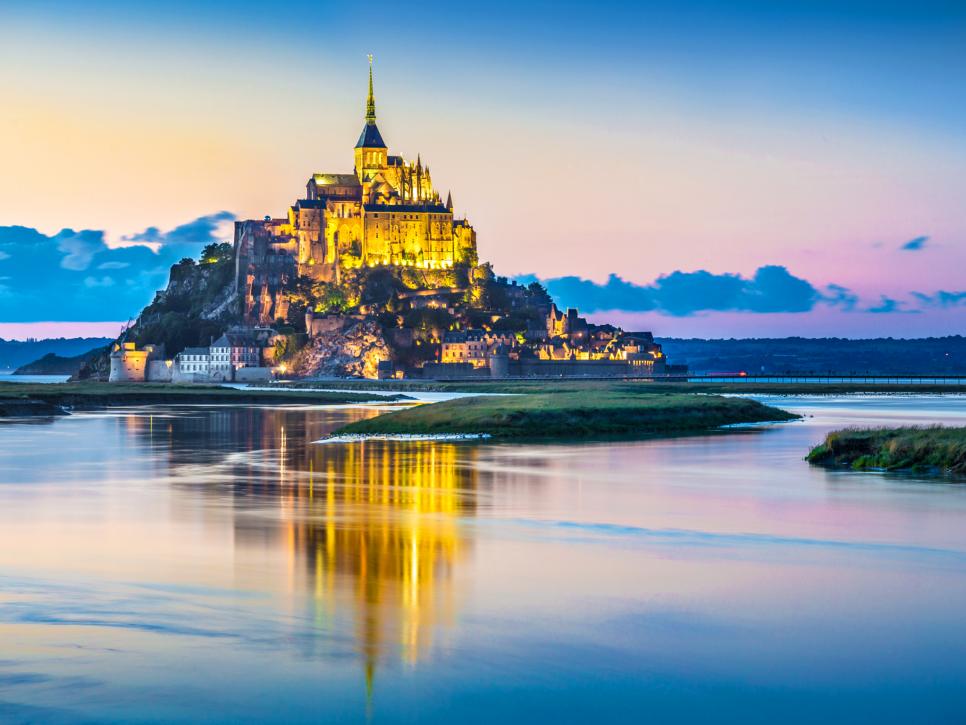


(Photo By Amaustan)


(Photo by Major George Allen – 1934)
The first modern castles were brought to England by the Norman invasion in 1066. These structures were usually built on top of ancient defensive sites atop high ground. Early castles were often made of wood and were used primarily for defense.
Later on, William the Conqueror had them replaced with stone because wood is too susceptible to rot and fire.


(Photo by DAVID ILIFF. License: CC BY-SA 3.0)
As Feudalism began to take hold over Europe, castles were given to lords and nobles by the king along with a large area of land. Castles during the later medieval period were often the centers of local government and displayed the wealth and power of their owners.


These castles were quite hectic at the time as they needed many servants to maintain them. In larger castles, more than 100 people could be living within their walls at any one time. The lord and lady usually lived in the solar chambers at the tops of towers to maintain privacy and to have access to more sunlight and warmth. (The thick stone and small windows were good for defense, but made the castle very dark and cold).


(Photo by Oiram)
Most castles had a great hall which was the center for entertainment and leisure, such as dances, plays, or poetry recitals. The great hall often held large wooden tables for feasts and people were seated according to their states with the most important sitting on raised dais.


(Photo by TSP)
Since the lords were often away attending to business in the larger cities, it was up to the lady to keep the life of the castle in order until his return.
Some castles bore underground passageways and others had spikes in their moats, but even after castles became palaces they still retained some defensive qualities. They also had to be upgraded from time to time to keep up with new weaponry, like the cannon.


(Photo by KingPhoto)
Castle building began to decline after the 17th century.


(Photo by Ingo Mehling)
Bonus fact: Before modern plumbing, the only toilet in a castle was a hole that would drop everyone’s waste into a cesspool or the moat.


(Photo by Globetrotter19)
You May Also Like: The Heavy Plough: Northern Europe’s Saving Grace
Previous: The Cliff Dwellings of Mesa Verde
Leave a Reply