
.jpg)
(Photo by the US National Park Service)
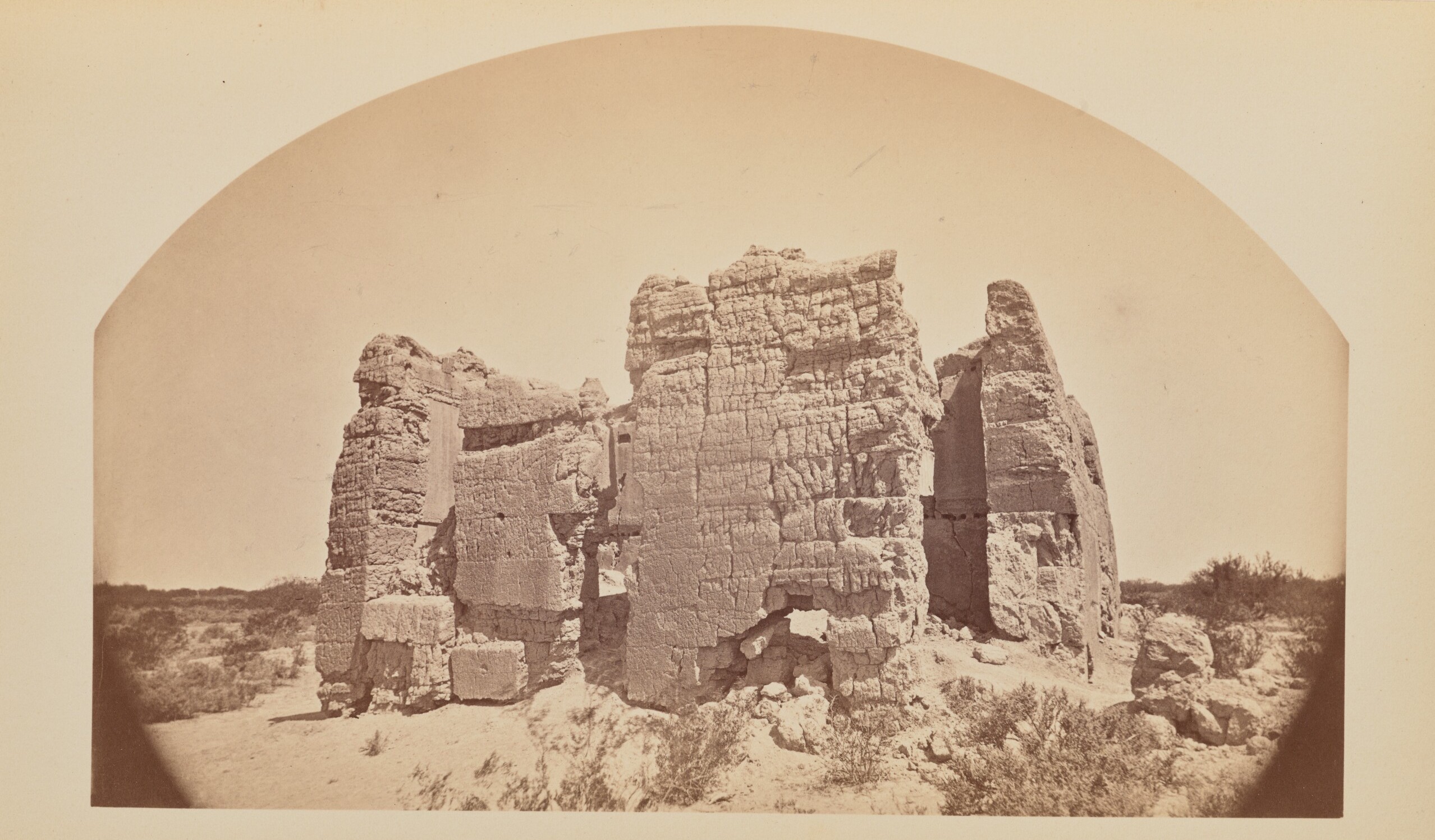
Casa Grande is what is left of the Hohokam society that thrived between the 14th and 16th centuries in the flat plain of central Arizona between the Gila and Santa Cruz rivers. It is contemporary with other Arizona ruins, such as Tonto and Montezuma. Casa Grande was once part of a collection of settlements along the Gila River that were connected by a network of irrigation canals.


(Photo by Onel5969)
The Hohokam (a name given to them by researchers) lived in one of the hottest areas of the United States, where temperatures rise to over 110F in the summer and 80F during winter.
The Casa Grande is the most impressive of the little that remains of this ancient American society. The structure is four stories tall with a base of 60 by 40 feet. It has clay walls that are supported by wooden beams, and it contains stairways and windows. It has been suggested that the building could have been an astronomical observatory because the four walls align with the points of the compass.
The site was discovered by Europeans when a Jesuit missionary named Padre Eusebio Francisco Kino called the structure Casa Grande, meaning ‘big house’ in Spanish, in 1694. Later, after a railroad was built near the area, tourism skyrocketed between the 1860s and 1880s. Casa Grande was damaged by souvenir hunting, graffiti, and vandalism. This led activists to call for government protection, and it became the first archeological site in the US to be designated a prehistoric and cultural site in 1892.

In 1903, a metal roof was placed over Casa Grande to help protect it from the elements. Repairs and excavations followed shortly after. Its status was changed to a national monument by President Woodrow Wilson in 1918.
The farming village that surrounds the Casa Grande have yet to be excavated.
Today, the American public has largely forgotten Casa Grande, and it is one of the 20 least visited national monuments in the west.
You May Also Like: The Cahokia Mounds
Previous: How Ancient Egypt Changed Africa
Next: Chicago’s Ugly Laws: Ableist Laws Stayed on the Books for 100 Years
Leave a Reply