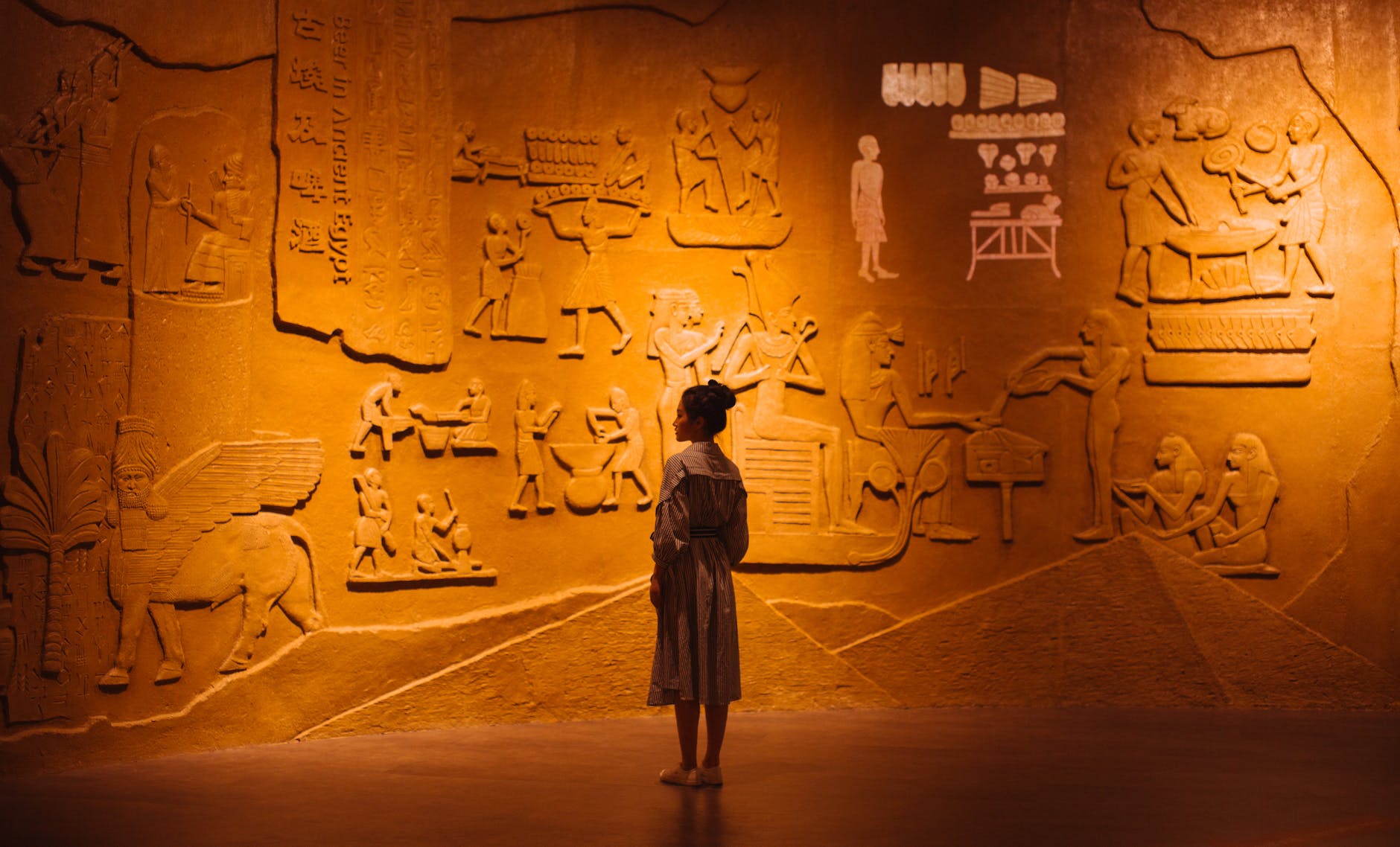


For 30 centuries (3100BC-332BC), ancient Egypt was the greatest civilization on the Mediterranean. Egypt built magnificent structures, organized a central government, invented its own language and writing system, developed distinctive architecture, and utilized metal technology.


(Photo by Hamerani)
It is well known that the ancient Greeks revered Egyptian society, but they also influenced other Africans. The impact was most likely largest in the 5000-3000 BC period because the Sahara was moister and had a larger population than later on.
Scholars better understand how ideas spread up the Nile River than how they affected other places. Domesticated animals and agricultural practices spread at least as far as Khartoum in Sudan. Later, Nubians began to bury their dead with food and liquid in imported Egyptian pots. The Kushites were also influenced by Egyptian society since they used Egyptian scribes and artisans at Kerma (Sudan), and archeologists discovered daggers made in the Egyptian style.
As of now, there has been little archeological research done south of northern Sudan, and the earliest Sudanese writing, Meroitic, has yet to be translated. Maybe we will be able to unlock more of the secrets of Egyptian influence in Africa in the near future.
Bonus Fact: The first confirmer female ruler of Egypt was Queen Sobekneferu.

You May Also Like: Rich Africa: The Trans-Saharan Gold Trade
Previous: Neonatal Artificial Bubble
Leave a Reply