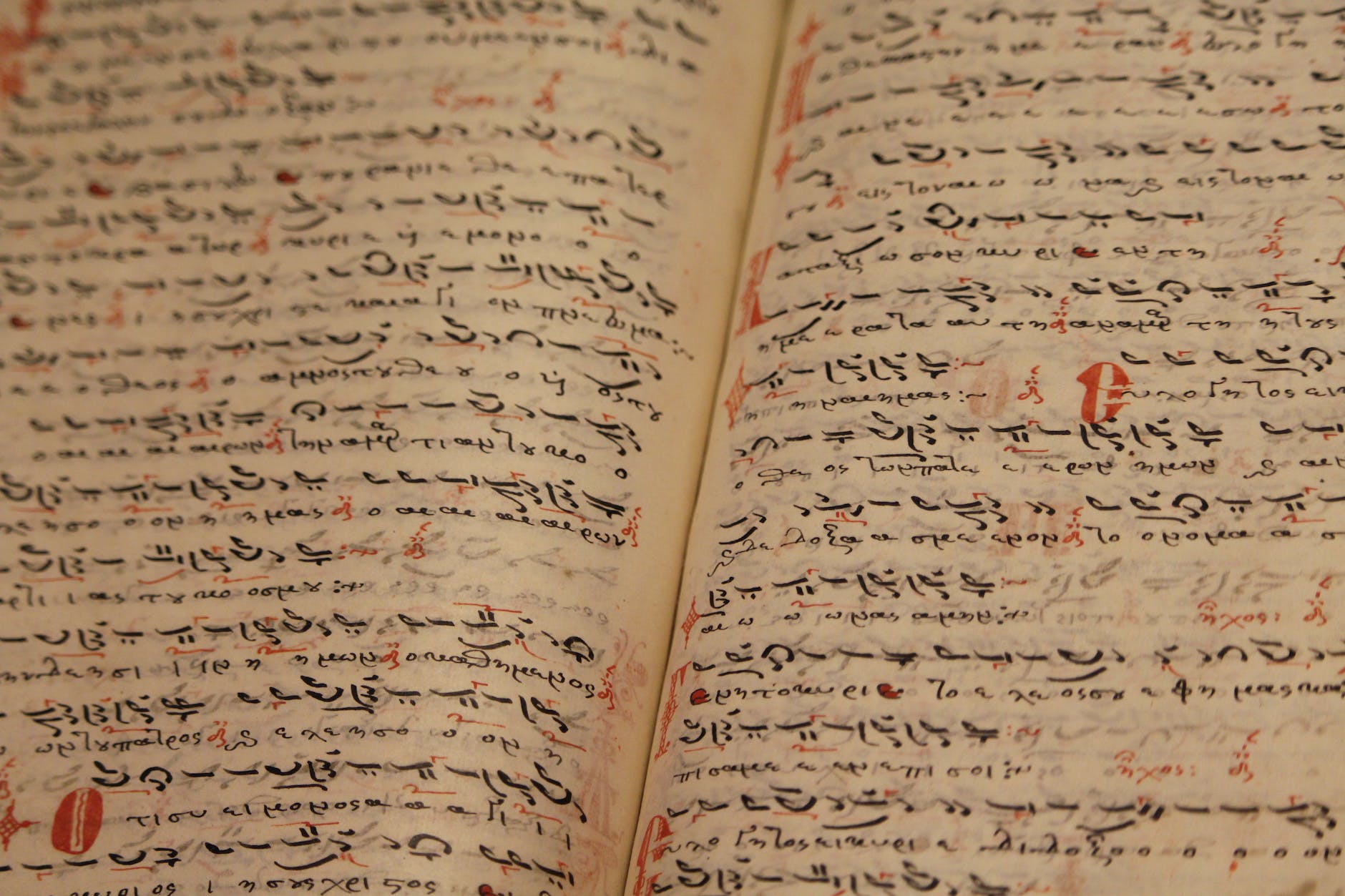
Paper was one of the most influential inventions of all time. That statement seems pretty obvious today, but when it was first invented there were plenty of people who believed it would ruin their way of life. And, for better or worse, many were right.
The Invention of Paper: Myth vs Reality (Maybe)
In ancient times, clay tables and papyrus were king, but both of these had their own sets of problems. Clay was heavy which made it difficult to transport. Papyrus disintegrated easily and Egypt had a monopoly on its production. Parchment later became prized because it held up better than other options, but it could take as much as 200 animals just to make one book.


Enter Cai Lun. At least, supposedly. Cai Lun was the director of the Workshops at Luoyang and often credited as the inventor of paper. The story goes that in 105CE, Lun decided to try soaking and pressing plant fibers and left them sitting out on screens. When they were dried, he had created the
The problem is that this story is probably BS. Archeological evidence suggests that paper was invented in China around the second century AD or possibly even earlier, but most likely the process for creating paper was discovered by accident. The residue from hemp clothes would have collected in wash bins and after it was dumped out would dry into clumps.


Paper in its Adolescence: From Money to Tea Bags
Just like today, paper in the first millennia came in many different textures and colors and had several uses.

Paper was an important commodity on the Silk Road. The most expensive paper came in special textures, patterns, and colors for use in calligraphy and art. Materials as diverse as rice, wheat straw, sandalwood bark, hibiscus stalks, and seaweed were used to produce unique forms of early paper.
Paper was also cheaper and more convenient than similar alternatives, like bamboo, wood, and silk. Its convenience, paired with the invention of block printing in China or Korea in the 8th century, helped to spread literature and literacy. Cheap paper also made calligraphy the most important art form in China for two millennia.
After hemp, rattan was used to manufacture paper, but it was quickly being wiped out. Bamboo replaced it as a fiber material in the 8th century since it grows quickly. Later, in the Song Dynasty (960-1279) bamboo was replaced by mulberry bark.
Paper eventually became important to the economy and governments of empires. During the Tang Dynasty (618-907CE), paper was used to pay state taxes.
Of course, as we all know, coins would eventually be largely replaced by paper money. This began when the Song Dynasty started issuing paper certificates to show how much money a person had in the state deposit houses. These were then used in transactions that could be performed without moving any of the stored coins. By 1260, these certificates were being used in the same way we would use bank notes today.
Paper was also used for:
- Packaging
- Hats
- Armor
- Windows
- Screens
- Sheets
- Curtains
- Clothes
- Toilet Paper
- Tea Bags
- Napkins
Additionally, the Tang color-coded their paper so they could easily distinguish what different documents were for. For example, blue paper was for communication with the Taoist temples.
Paper Making Leaves China
The Chinese tried desperately to keep the process for making paper secret, but, during the Battle of Talas (751), Arabs took papermakers hostage and convinced them to spill the beans. Baghdad (in modern Iraq) then became the major paper producer.


{PD-1996}
Arab acquisition of paper-making knowledge coincided with the Islamic Renaissance. The Quran says that good Muslims seek knowledge, and a plentiful supply of paper spread their advances in math, astronomy, medicine, engineering, agriculture, and literature.
Europeans, however, continued to prefer parchment until about the 13th century. After this, paper helped to cut the cost of books, but they were still expensive because they had to be hand-printed and dictated by scribes. There was also a tradition of putting a lot of jewels on their cover. Despite this, demand for books grew after the introduction of paper.

Papyrophobia: Early Fears of Paper
Paper may be one of the most groundbreaking inventions of all time, but, like everything new, it was plagued by worries and complaints when it was introduced.
In China, people claimed paper caused more bureaucracy. Meanwhile, in Europe, upstart printers were accused of harboring treacherous political agendas. For example, Johann Fust, an associate of Johannes Gutenberg, was chased out of Paris for selling books. Some people even claimed him to be an agent of the devil.
Scribes worried they would lose their jobs. Meanwhile, rulers feared the spread of cheap paper because they were concerned that higher literacy could undermine their power.
Despite a lot of these worries seeming antiquated now, they were not without precedent. One of the most enduring consequences of cheap paper and high literacy was the introduction of the Enlightenment when ideas of democracy, individual rights, and the separation of church and state were widely spread. In fact, Thomas Paine’s pamphlet “Common Sense” (1776) is often considered one of the largest influencing factors on the American Revolution and the beginning of modern democracies.


Bonus Facts:
- Plato feared that the spread of writing would ruin people’s memory. (Ironically, we know this because he wrote it down).
- Paper was the most popular way to send and store information until the invention of computers.
- The basic method used to make paper two thousand years ago is still used today. Felted sheets of fiber are suspended in water, the water is then drained which allows them to dry into a matted sheet.
You May Also Like: The Compass: The Invention That Discovered the World
Previous: 15 Least Visited National Park Sites
Leave a Reply